What Really Happens During a Professional Roof Clean in Bournemouth
If you have never had your roof professionally cleaned, it is natural to wonder what the day actually involves. Will there be scaffolding? How long does it take? Is the house going to be dripping with chemicals? Understanding the process takes the mystery out of it and helps you see why a proper soft washing clean delivers such lasting results.
The truth is that a professional roof clean is a calm, methodical piece of work rather than the dramatic blasting many people picture. In this guide we will walk through exactly what happens, step by step, from the first look at your roof to the finished result, with the particular quirks of Bournemouth homes in mind.
The quick answer: A professional roof clean starts with a survey, followed by protecting the surrounding area, carefully removing heavy moss, applying a soft washing biocide treatment at low pressure, clearing debris and gutters, and a final check. The biocide then keeps working for weeks to leave the roof clean and protected.
1. The survey and assessment
Every good roof clean begins with a proper look. Before any work starts, the roof is surveyed to gauge its size, pitch, tile type and the amount of moss, algae and lichen present. This is also when the safest access is worked out, which matters a great deal on Bournemouth's mix of tree-lined streets and closely packed period properties.
The survey is about more than pricing. It is a chance to spot slipped or cracked tiles, blocked valleys or other issues that you might want a roofer to look at. Identifying the type of growth also shapes the treatment, since heavy moss and stubborn lichen call for slightly different handling.
By the end of the assessment, there is a clear plan for the job, tailored to your particular roof rather than a one-size-fits-all approach. Would you want work at height started without that kind of preparation? A careful survey is the foundation of a safe, effective clean.
2. Protecting your property
Before a drop of water touches the roof, the area around your home is prepared. Delicate plants, garden furniture and anything that could be affected are covered or moved, and downpipes may be managed to control where water and debris end up. This care is a hallmark of a professional job.
Bournemouth's sheltered gardens are often lovingly kept, full of established shrubs and pots, so protecting them properly matters. A good team treats your outdoor space with respect, leaving it as they found it aside from a much cleaner roof above.
This preparation stage is quiet and unglamorous, but it is exactly the sort of thing that separates a considerate professional from someone who simply turns up and starts spraying.
3. Removing the heavy moss
With everything protected, the first hands-on task is clearing the thickest growth. Heavy moss sitting in the tile gaps and along the ridge is gently removed, usually by hand or with careful low-pressure methods rather than aggressive blasting. This exposes the surface so the treatment can do its work.
The moss that comes off a neglected roof can be surprising in its quantity, especially on the shaded, north-facing slopes so common here. Clearing it not only improves the look immediately but also frees up the tile surface and the gutters, which the growth so often clogs.
Crucially, this is done with the tiles' wellbeing in mind. The aim is to lift the growth without damaging the roof, which is why patience and the right technique matter far more than brute force.
4. The soft washing treatment
This is the heart of the job. A specialist biocide is applied across the roof at low pressure, reaching into the areas where moss, algae and lichen take hold. Unlike high-pressure jet washing, soft washing does not rely on force. It relies on the chemistry of the biocide to kill the growth thoroughly.
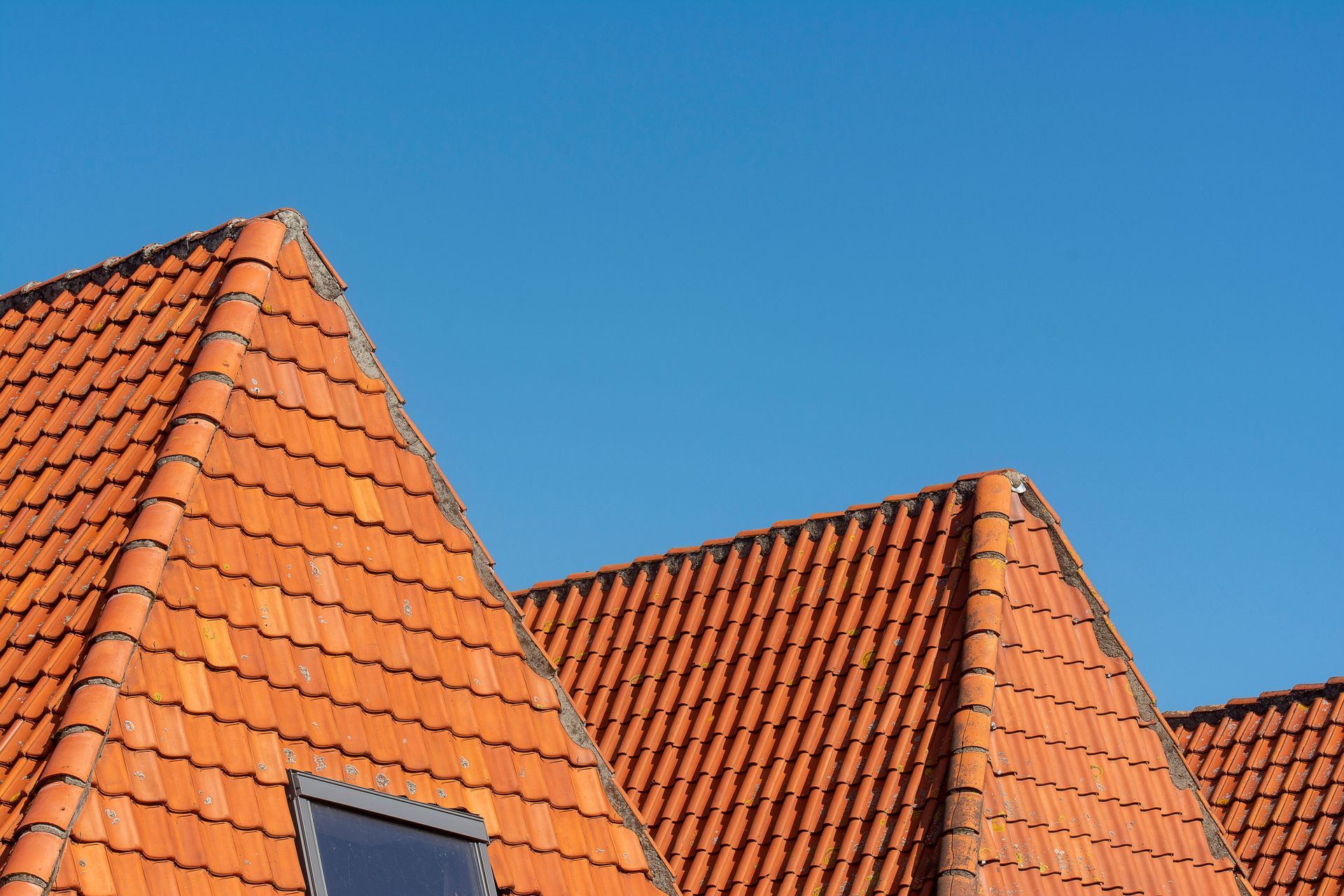
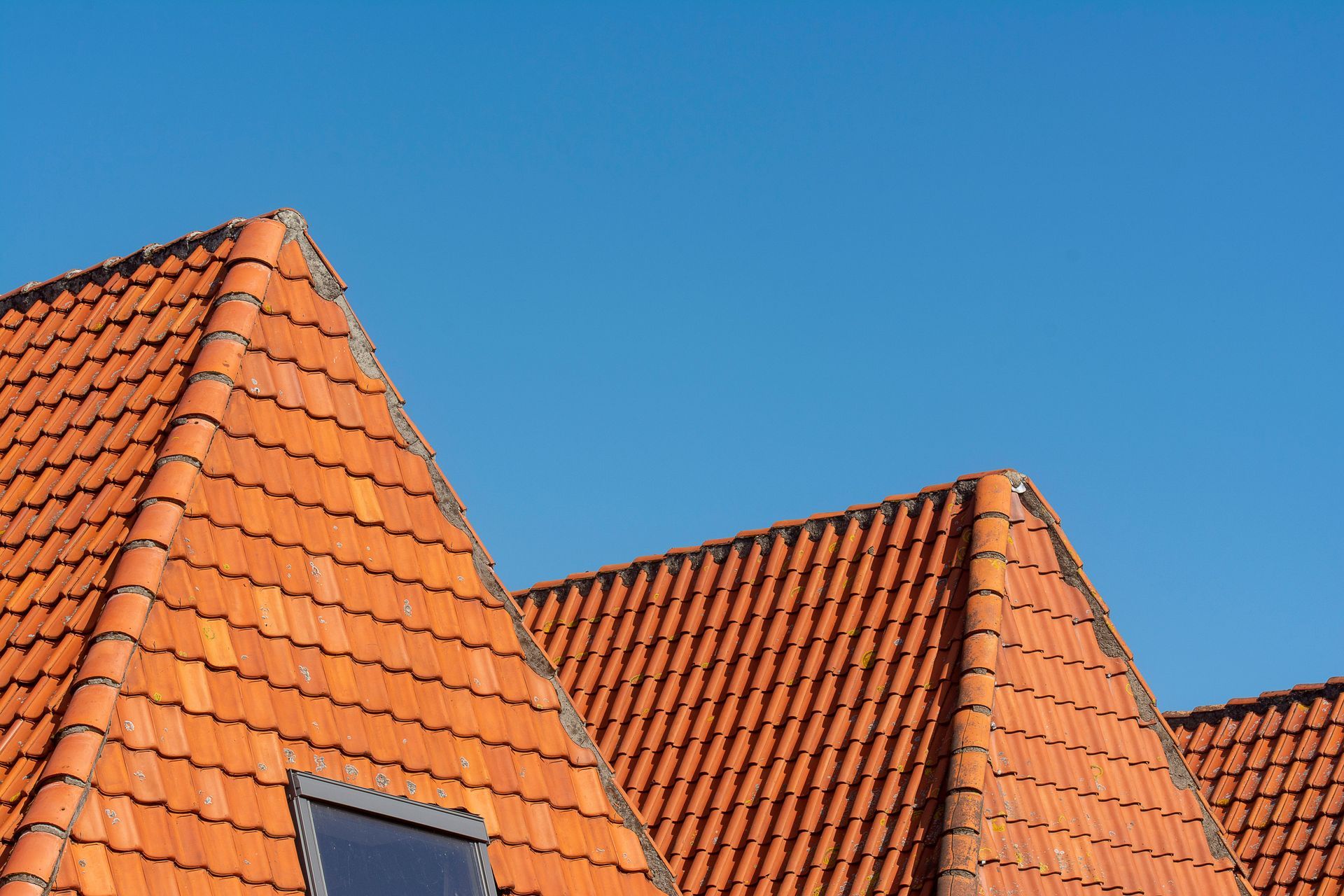
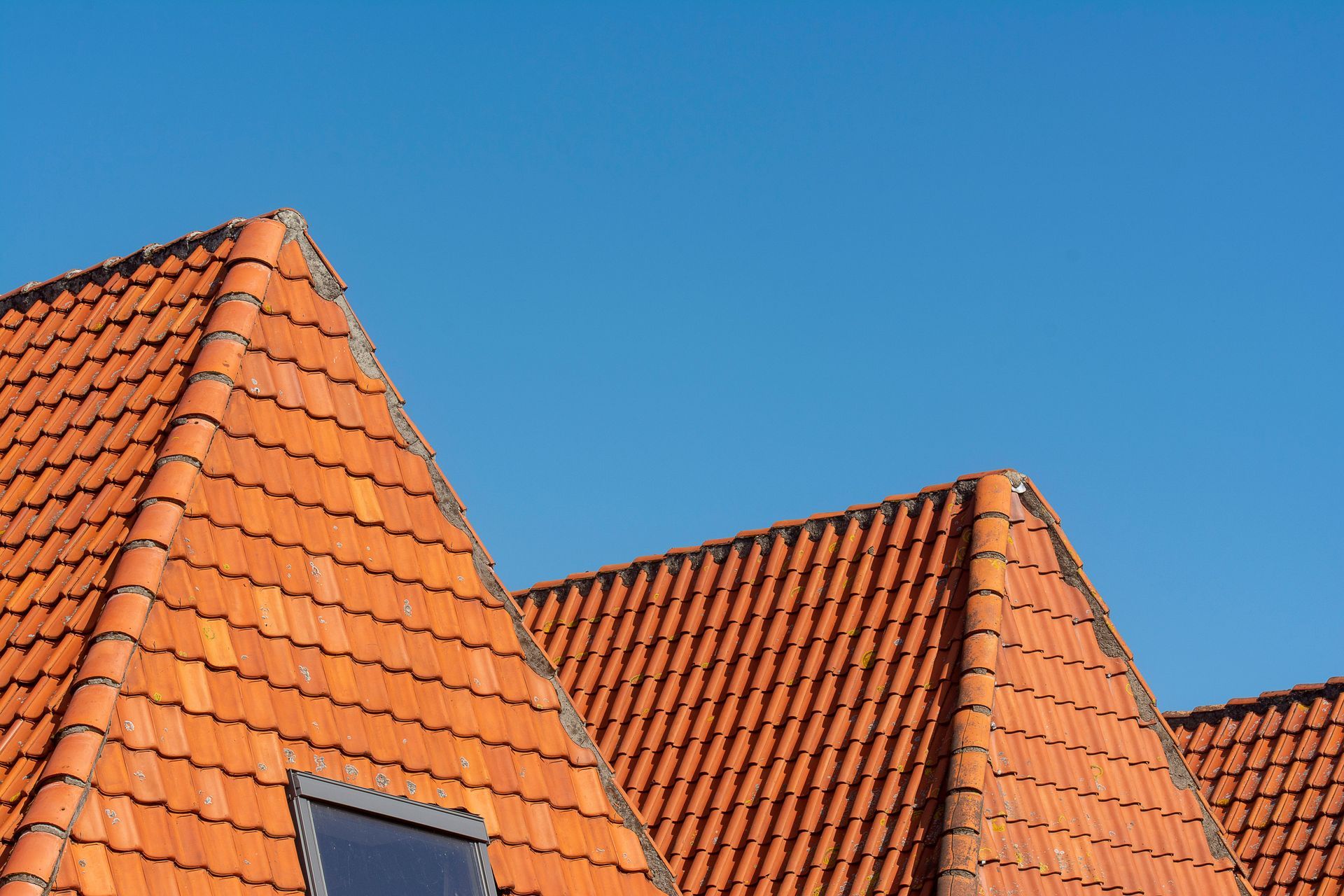
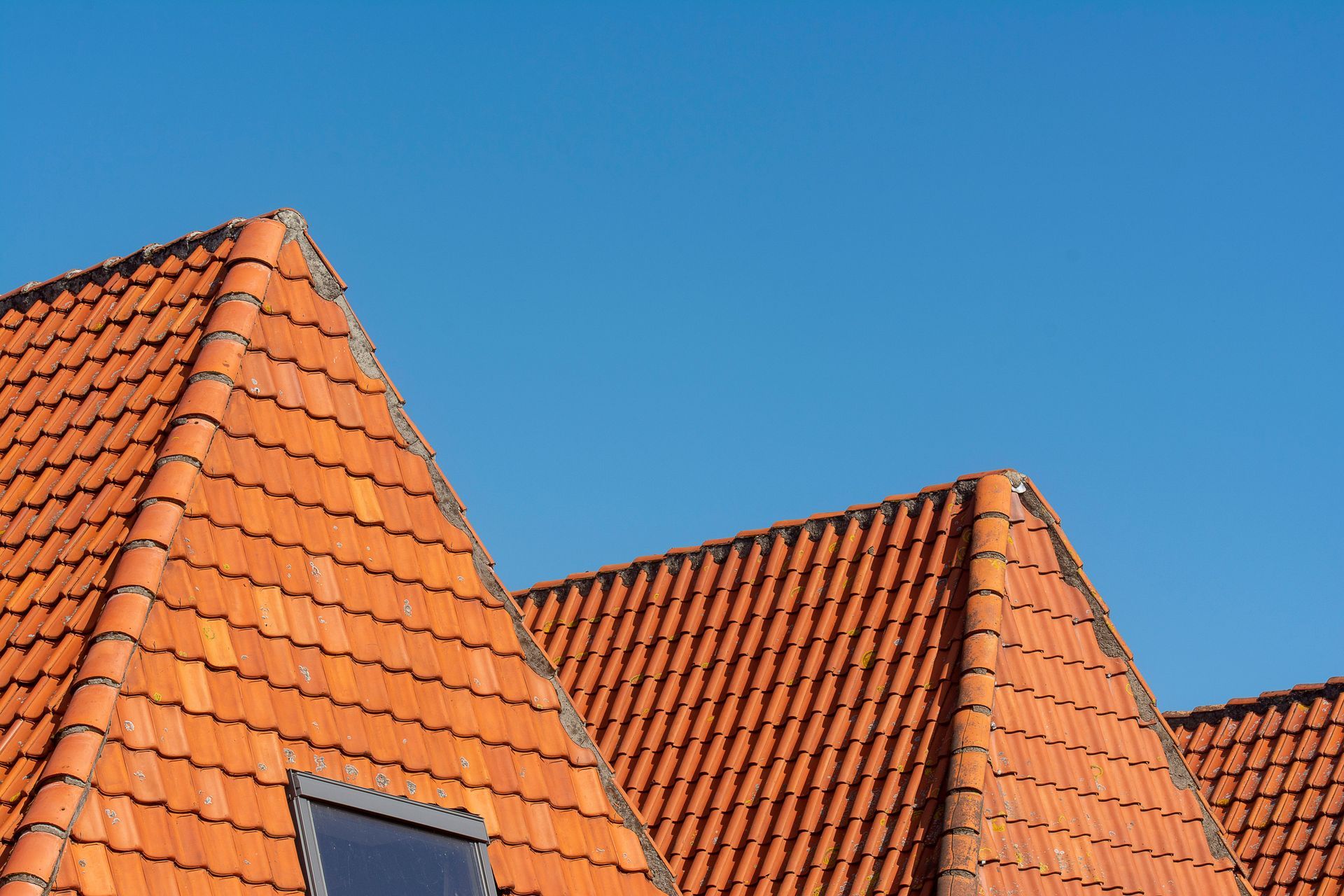
The low-pressure approach is gentle on tiles of every kind, from the clay found on older Bournemouth villas to the concrete tiles on newer homes. There is no blasting, no cracked tiles and no water forced up under the roof covering, which is precisely why this method is so widely trusted for delicate and period roofs.
The treatment is applied evenly and thoroughly, so that no patch is missed. This is meticulous work, and it is where experience really shows in the quality of the finish.
5. Clearing up and checking the gutters
Once the treatment is applied, attention turns to tidying up. Loose moss and debris are cleared away, and the gutters are checked and cleaned of the material that cleaning inevitably loosens. Blocked gutters are one of the most common causes of damp and overflow, so this step is more than mere neatness.
The team leaves your property clean and orderly, with paths swept and coverings removed. A professional clean should not leave you with a mess to deal with afterwards, and a good firm takes pride in leaving things tidy.
At this point the transformation is already striking, with the roof looking dramatically better than it did that morning. The full benefit, though, continues to develop over the following weeks.
6. The lasting effect of the biocide
One of the most important things to understand is that the job is not really finished when the team drives away. The biocide keeps working, continuing to kill off spores and remaining growth over the following weeks. Any lingering staining often fades further as the weather washes the treated surface.
This ongoing action is the reason soft washing lasts so much longer than a quick physical scrub. In our damp, mild climate, where growth returns readily, that continued protection is exactly what keeps a roof looking clean for years rather than months.
So while the visible change on the day is impressive, the real value lies in the weeks and years that follow, as your roof stays clear and protected long after the visit itself.
- Thorough survey: The roof is assessed for size, tile type, growth and safe access before any work begins.
- Careful protection: Plants, furniture and surroundings are covered and respected throughout the job.
- Gentle soft washing: A low-pressure biocide treatment kills growth without harming tiles of any type.
- Lasting results: The biocide keeps working for weeks, keeping the roof clean far longer than a scrub.
Frequently Asked Questions
How long does a professional roof clean take?
It varies with the size of the roof and the amount of growth, but many domestic roofs are completed within a day. Heavily overgrown or complex roofs may take longer, which the survey will make clear.
Do I need scaffolding?
Usually not. Soft washing is typically carried out from the ground or from safe access points using extending equipment, so scaffolding is rarely needed for a standard clean.
Is the biocide safe for my garden and pets?
Applied correctly by professionals, with surrounding areas protected, soft washing is designed to be used safely around homes. Any sensible precautions are taken as part of the job to look after your garden.
Why does my roof keep improving after the clean?
The biocide continues working after the visit, killing remaining growth and spores. Rain then helps wash the treated surface, so the roof often keeps looking better over the following weeks.
Will I need to do anything to prepare?
Very little. It helps to clear any loose garden items and ensure access is available, but the team handles the protection and preparation of the working area themselves.
Ready to see the difference on your roof?
Ben's Roof Cleaning brings over 15 years of experience in safe, effective roof cleaning across Bournemouth and the surrounding area. Get in touch or call 01202 084808
for a free, no-obligation quote.
Knowing what to expect
A professional roof clean is a careful, considered process rather than a noisy blasting session, and understanding each stage makes it far easier to know what you are paying for. From the first survey to the lasting work of the biocide, every step is aimed at cleaning your roof thoroughly while protecting the tiles and your property. When it is done properly, you are left with a roof that looks transformed and stays that way for years to come.