How Bournemouth's Coastal Weather Affects Your Roof
Bournemouth is famous for its mild climate, seven miles of sandy beach and pine fringed clifftops, and it is one of the sunniest, warmest spots in the country. That gentle seaside weather is wonderful to live with, but it has a quieter side that homeowners feel on their roofs. Salt air, sea breezes and coastal damp all combine to make Bournemouth roofs a welcoming home for moss and algae.
This guide explains how the town's coastal position affects the roof over your head, why local roofs tend to green over, and what you can do to keep yours clean and sound. A little understanding of the seaside conditions goes a long way to protecting your home.
The quick answer: Bournemouth's coastal climate combines salty sea air, damp and shelter that keep roofs moist and encourage moss and algae, so seaside roofs benefit from regular gentle soft washing to stay clean and protected.
1. A mild, damp seaside climate
Bournemouth's position on the south coast gives it a mild, maritime climate. Winters are gentle and frosts relatively few, but the flip side of that mildness is moisture. Sea air carries humidity, and mild, damp conditions rarely give a roof the long, hot, dry spells that would bake growth away.
For moss, algae and lichen, that is close to perfect. They need moisture and moderate temperatures, and a mild coastal climate provides both for much of the year. The very weather that makes Bournemouth such a pleasant place to live also keeps its roofs damp enough to grow green.
It is worth remembering that a sunny reputation does not mean a dry roof. Sea mist, overnight damp and shaded slopes all keep moisture on the tiles even in a town known for its sunshine.
2. What salt air does to a roof
Living by the sea means living with salt in the air. Onshore breezes carry fine salt spray inland, and it settles on everything, roofs included. Salt is hygroscopic, meaning it attracts and holds moisture, so a salty roof surface stays damp longer than it otherwise would.
That lingering dampness helps moss and algae take hold, and over time salt can also be hard on metal fixings and flashings, encouraging corrosion. Roofs closest to the seafront feel this most, but the salt air reaches well inland across Bournemouth.
None of this means a seaside roof is doomed, but it does mean the coastal environment is quietly working against it, which is why regular care matters more here than in a dry inland town.
3. Sea winds and exposure
The same breezes that carry salt also drive weather hard against exposed roofs. Wind pushes rain into gaps, lifts loose tiles and carries airborne spores and debris that settle across the roof. On clifftop and exposed properties, that exposure is a constant factor.
Bournemouth's famous chines, the steep wooded valleys running down to the sea, and its many mature pines add another element. Trees near a property shade the roof and drop needles and debris that hold moisture and feed the gutters, compounding the damp the sea air already brings.
Wind also makes roof work more hazardous, which is one more reason cleaning and maintenance here are best handled by professionals with the right access equipment rather than tackled from a ladder.
4. What the damp does over time
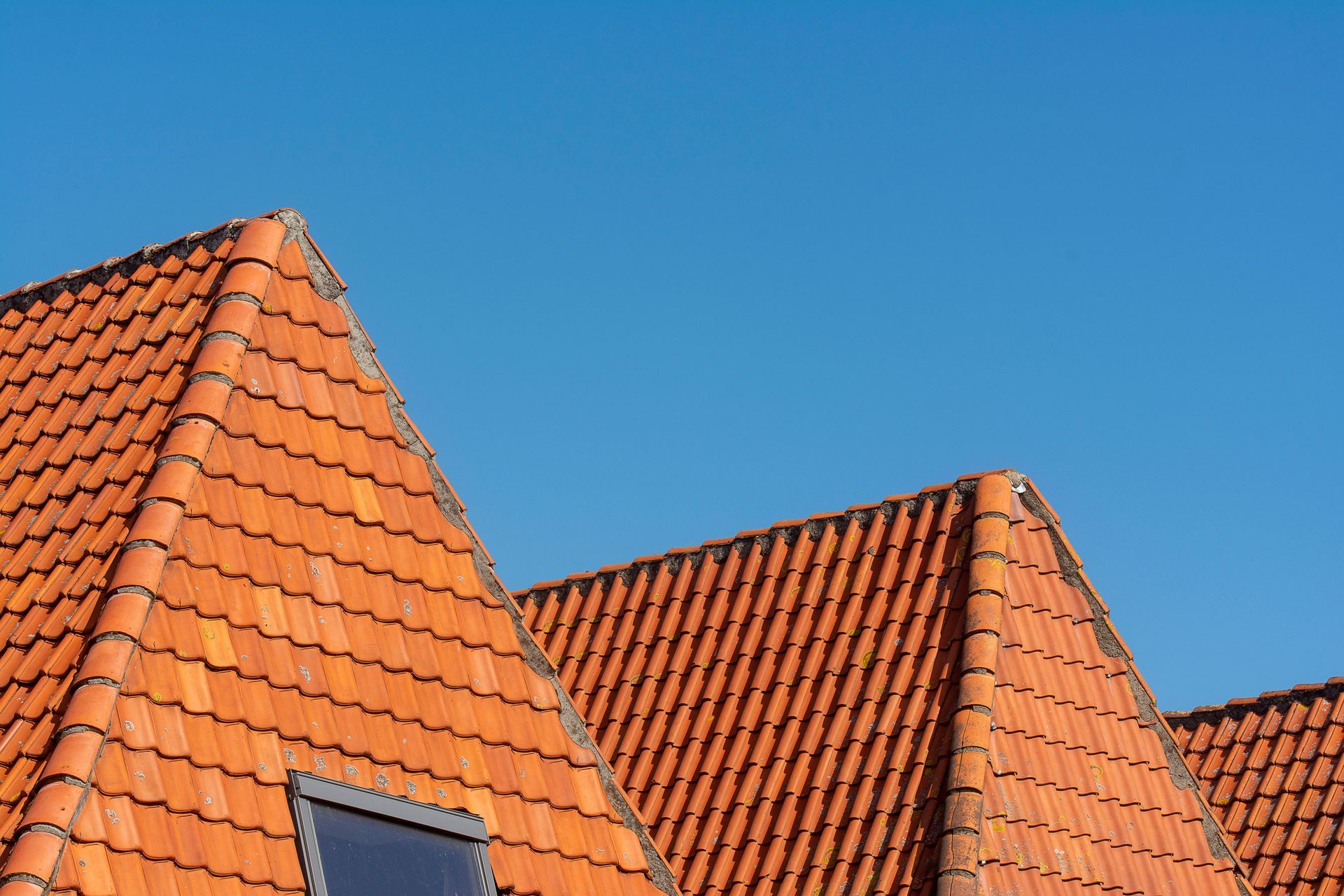
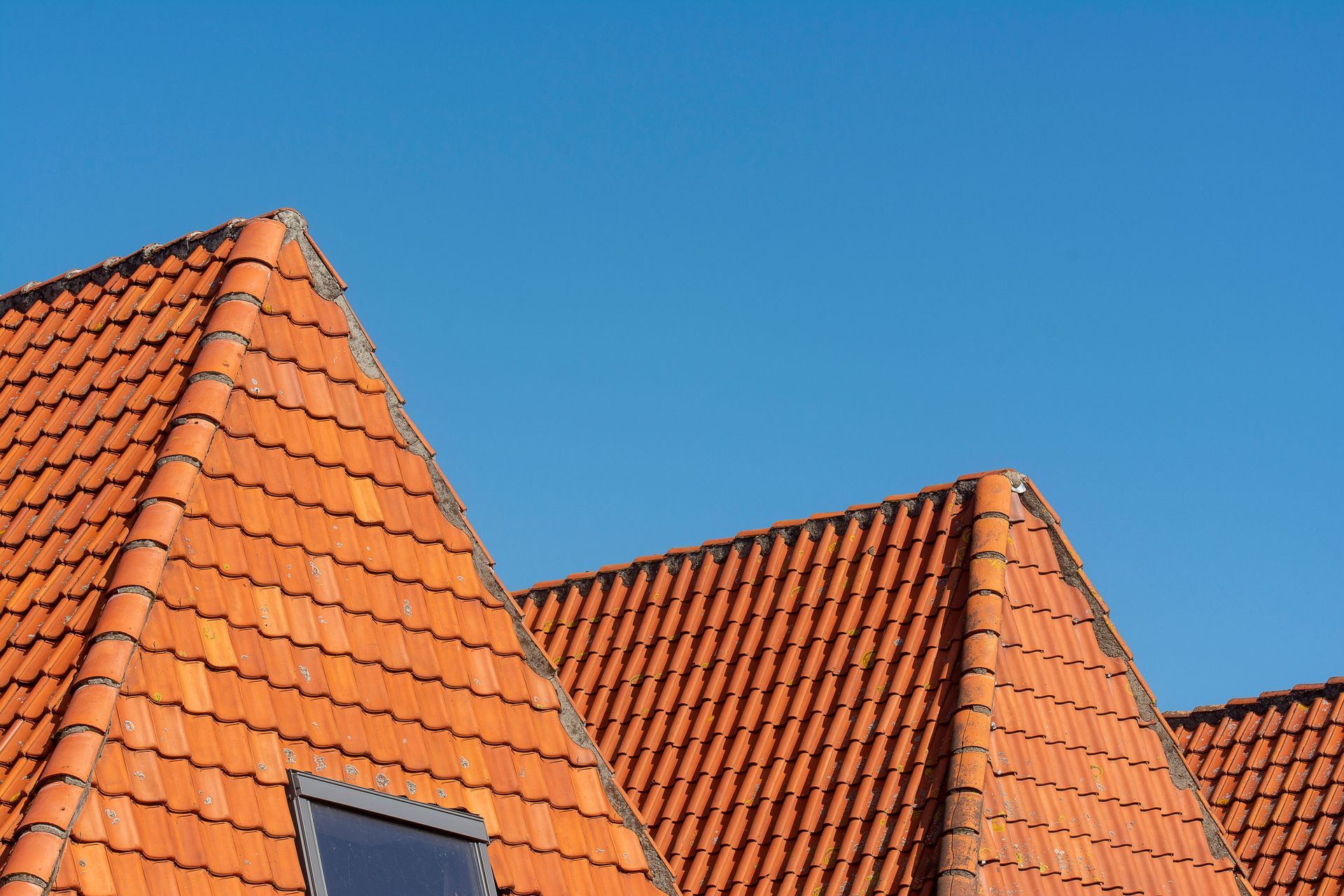
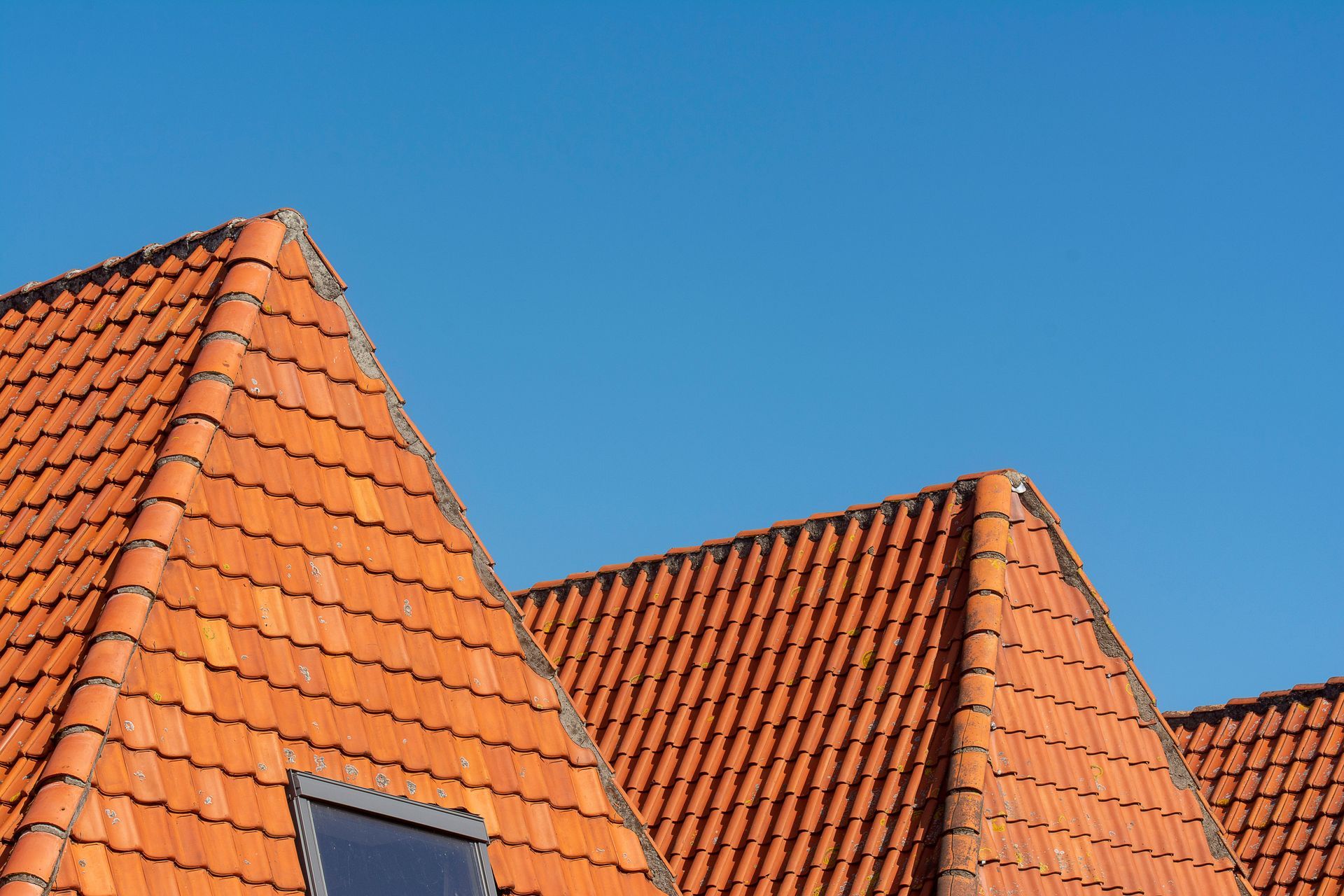
Persistent moisture is what wears a roof down. Moss grows into a thick mat that holds water against the tiles, keeping them wet and working into the joints. On the slate and tiled roofs common in Bournemouth, that constant dampness accelerates wear and, in the occasional frost, can crack tiles as trapped water freezes.
Moss also breaks away and washes into the gutters, where it builds up and blocks the flow. Here are the signs that the coastal conditions are getting the better of your roof:
- Green or black staining spreading across the tiles, especially on shaded slopes.
- Thick moss visible from the ground or dropping into the gutters.
- Water overflowing from the gutters when it rains.
- Corroding or streaked flashings around chimneys and abutments.
- Damp patches or musty smells appearing on upstairs walls.
5. Keeping a Bournemouth roof clean and protected
The most effective response to the coastal climate is a professional soft wash. It uses low pressure water and a biocide treatment that kills moss, algae and lichen at the root, rather than just clearing the surface, which matters when the sea air is always encouraging regrowth.
The lasting protection is the real benefit. The biocide keeps working on the tiles for months after the clean, slowing the return of growth that Bournemouth's mild, damp conditions would otherwise speed along. That means a roof that stays clean far longer between visits.
Pairing the roof clean with regular gutter clearing completes the job, keeping water flowing away from the walls and protecting the house from the damp that a seaside climate makes so likely.
6. Why gentle wins by the sea
It can be tempting to blast a mossy seaside roof with a pressure washer, but on Bournemouth's slate and tiled roofs that causes more harm than good. High pressure water cracks tiles, strips their surface and forces water underneath, adding damage to a roof that already has the coast to contend with.
A gentle, low pressure soft wash cleans just as thoroughly without that risk, and the biocide provides the lasting protection. For roofs facing salt, damp and wind year round, the gentle method is simply the sensible way to keep them sound.
Frequently Asked Questions
Does living near the sea really affect my roof?
Yes. Salt air holds moisture on the roof surface, sea breezes drive rain and debris onto the tiles, and the mild damp climate encourages moss and algae. Coastal roofs generally need more regular care.
Bournemouth is sunny, so why is my roof mossy?
A sunny reputation does not mean a dry roof. Sea mist, overnight damp, shaded slopes and salt on the tiles all keep moisture present, which is what moss and algae need.
Can salt air damage my roof fixings?
Over time salt can encourage corrosion of metal fixings and flashings, particularly on properties closer to the seafront. Regular checking and cleaning help catch any problems early.
How often should a coastal roof be cleaned?
It varies with exposure and shade, but Bournemouth's damp, salty conditions mean many roofs benefit from a clean every few years, with the biocide treatment extending the gap.
Is soft washing safe for a seaside roof?
Yes, it is the recommended method. It cleans gently at low pressure and treats the surface to slow regrowth, without the damage that pressure washing can cause to coastal tiles.
Is the coastal weather greening your Bournemouth roof?
Ben's Roof Cleaning treats moss and algae on roofs across Bournemouth and Dorset, with over 15 years of experience and a safe soft washing method. Get in touch or call 01202 084808
for a free, no-obligation quote.
Living well by the sea
Bournemouth's mild, sunny, seaside setting is a big part of its appeal, but the salt air, coastal damp and sea winds give local roofs a harder life than the sunshine suggests. That climate will always encourage moss and algae, so the smart approach is to stay ahead of it. A gentle, professional soft wash that kills the growth at the root, paired with regular gutter clearing, keeps a seaside roof clean, sound and protected however much salt the sea breeze carries in.