Why Do Shaded Roofs Need Biocide Top-Ups More Often?
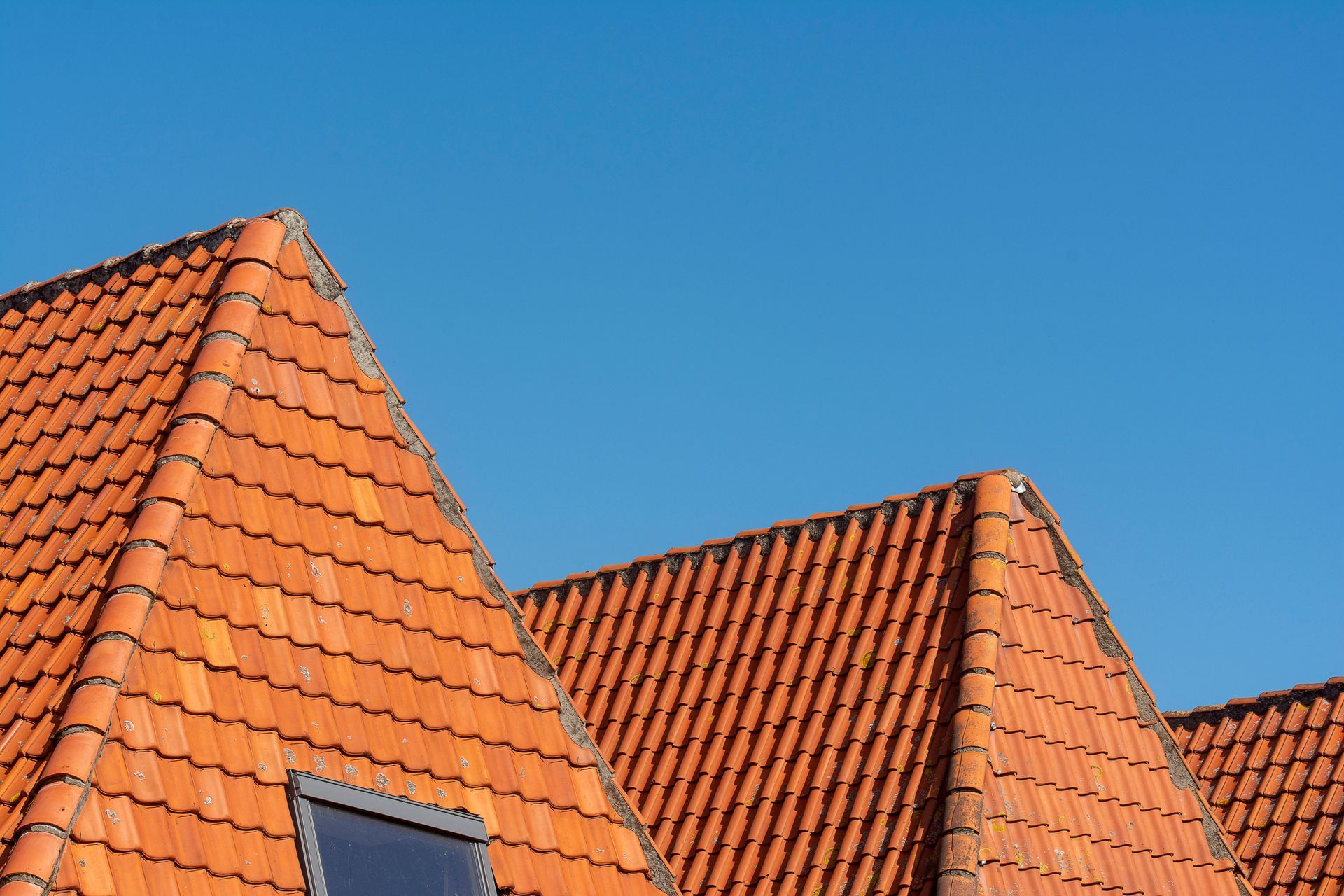
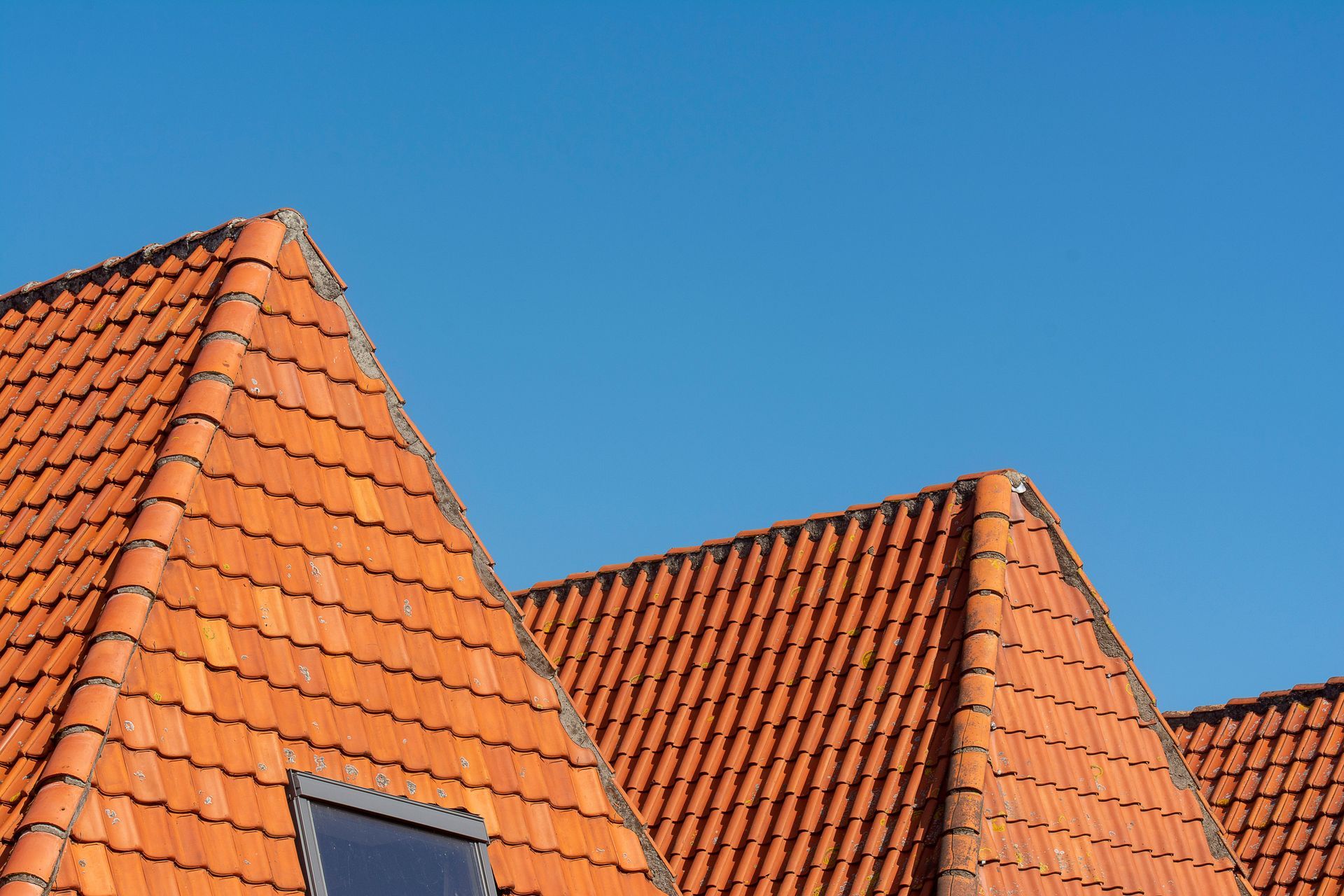
Two slopes on the same roof, treated with the same biocide on the same day, can end up needing attention at quite different times. The north-facing side greens up again while the south side stays clear. It looks puzzling until you realise the biocide is not failing on the shaded slope; it is simply being asked to do far more work there. Understanding why shaded roofs wear through their protection faster explains why top-ups are not an upsell but a genuine need for these slopes.
This guide explains why shaded roofs need biocide top-ups more often, what makes the difference, and how to keep the shaded slopes protected.
Shade Means More Regrowth Pressure
The core reason is that shade creates the exact conditions moss and algae need, so a shaded roof faces constant, heavy pressure from regrowth. A north-facing or tree-shaded slope gets little direct sun, so it stays cool and damp for long periods, drying slowly after rain and holding moisture that spores need to establish.
Biocide protects by killing spores and early growth before they take hold, but on a shaded slope the volume of that growth pressure is far higher. Spores landing on a constantly damp surface try to establish continuously, so the biocide is working hard the whole time. The more pressure it resists, the faster its protective effect is used up, which is why the shaded slope's protection fades sooner than the sunny side's.
Why Sunny Slopes Hold Protection Longer
The contrast with a sunny slope makes the point clear. A south-facing or open slope gets direct sun that warms and dries the tiles quickly after rain and exposes growth to ultraviolet light. Both effects hold moss and algae back naturally, so far less growth pressure pushes against the biocide there.
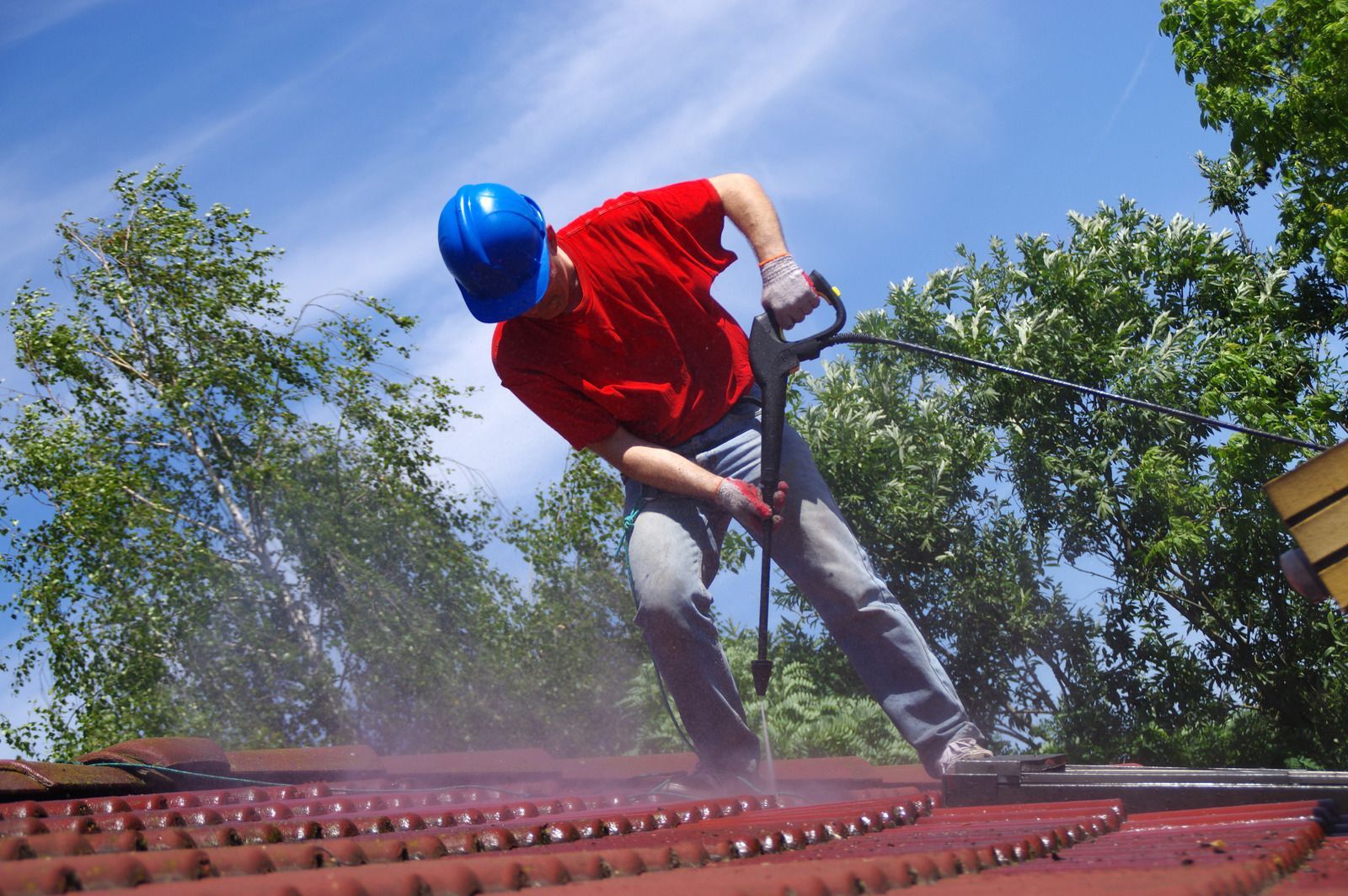
With less to resist, the biocide on a sunny slope lasts longer, its protective effect wearing down more slowly because it is doing less work. This is why the same treatment applied across a whole roof can fade at different rates on different slopes, holding well on the sunny side while the shaded side needs renewing sooner. The biocide is identical; the demand on it is not. A Roof Cleaning provider who understands this can plan top-ups for the slopes that need them most.
Tip: When you have a roof cleaned and treated, note which slopes are shaded and keep a particular eye on those for the first return of green. They are where regrowth will show first and where a top-up will be needed soonest. Watching the shaded slopes specifically, rather than the whole roof evenly, gives you the earliest warning that protection is fading.
The Compounding Effect of Trees
Tree cover makes the shaded-roof problem worse in more ways than one. Overhanging trees add shade, of course, keeping the slope even damper, but they also drop leaves and debris that collect on the roof and in the gutters. That debris holds moisture and feeds growth, adding still more regrowth pressure for the biocide to resist.
So a tree-shaded roof faces a double burden: less drying sun and more organic matter feeding growth. It is no surprise that such roofs wear through their protection fastest and benefit most from regular top-ups. Cutting back overhanging branches helps by letting in light and air, and keeping the roofline clear with Gutter Cleaning removes the debris that feeds growth, both of which ease the pressure on the biocide and extend how long it lasts.
Keeping Shaded Roofs Protected
The practical response to all this is to treat top-ups as a normal part of maintaining a shaded roof, not an occasional extra. Because the protection fades faster on shaded slopes, renewing it with a top-up before it wears through keeps those slopes continuously protected and stops moss re-establishing. This is far easier than letting the shaded slope green up fully and need a complete clean again.
A sensible approach matches the top-up interval to the roof's conditions: shaded, tree-covered roofs need renewal more often than sunny, open ones, and watching the shaded slopes for early growth times it well. In our 15 years on Sussex roofs, the shaded and north-facing slopes are consistently the ones needing the most frequent attention, which is exactly why top-ups are tailored to them rather than applied on a one-size-fits-all schedule.
Shaded roofs need biocide top-ups more often because they stay damp longer and face heavier regrowth pressure, which wears through the protection faster. North-facing and tree-shaded slopes get little drying sun, so moss and algae push against the biocide constantly, and it fades sooner there than on sunny, open roofs. Renewing the protection with top-ups keeps these harder-working slopes clear between full cleans.
Frequently Asked Questions
Why does the biocide fade faster on my north-facing slope?
Because that slope stays damp longer and faces heavier regrowth pressure. A north-facing slope gets little drying sun, so it stays cool and moist, and spores try to establish on it continuously. The biocide is working hard the whole time to kill that growth, so its protective effect is used up faster than on a sunny slope where far less growth pushes against it.
Are top-ups just a way to charge me more?
No. Top-ups reflect a real difference in how fast protection wears on different roofs. Shaded, damp slopes genuinely face more regrowth pressure and wear through the biocide sooner, so they need renewal more often to stay clear. On a sunny, open roof, top-ups are needed less frequently. The interval is matched to your roof's actual conditions rather than applied as a blanket upsell.
How often do shaded roofs need a biocide top-up?
It depends on how shaded and damp the roof is and how much tree cover it has, so there is no single figure. Heavily shaded, tree-covered roofs need top-ups more often than lightly shaded ones. Watching the shaded slopes for the first faint return of green shows when a top-up is due. Matching the interval to your roof's conditions is more reliable than a fixed schedule.
Can I reduce how often my shaded roof needs top-ups?
Yes, by easing the regrowth pressure. Cutting back overhanging branches lets in more light and air so the slope dries faster, and keeping the roofline and gutters clear removes debris that holds damp and feeds growth. These measures reduce the pressure on the biocide, so it lasts longer and top-ups are needed less often, even though a shaded slope will always need more attention than a sunny one.
Should the whole roof be topped up or just the shaded slopes?
It often makes sense to focus on the slopes that need it most. Because shaded slopes wear through protection faster, they may need renewal while the sunny slopes are still protected. A cleaner who understands this can plan top-ups for the shaded areas specifically, rather than treating the whole roof evenly each time, which matches the treatment to where the regrowth pressure actually is.
Keep your shaded slopes protected — Book a clean with biocide and ask about top-ups tailored to your north-facing and tree-shaded areas. Ben's Roof Cleaning matches protection to your roof. Call 0120 208 4808.
More Shade, More Renewal
Shaded roofs need biocide top-ups more often because they stay damp and face heavier regrowth pressure, wearing through the protection faster than sunny slopes that dry quickly. The biocide is not failing on the shaded side; it is simply doing far more work there, resisting the constant growth that shade and damp encourage. Trees make it worse by adding both shade and debris. The sensible response is to treat top-ups as normal maintenance for shaded roofs, renewing protection before it wears through, easing the pressure by cutting back branches and clearing debris, and watching the shaded slopes for the first sign that another top-up is due.